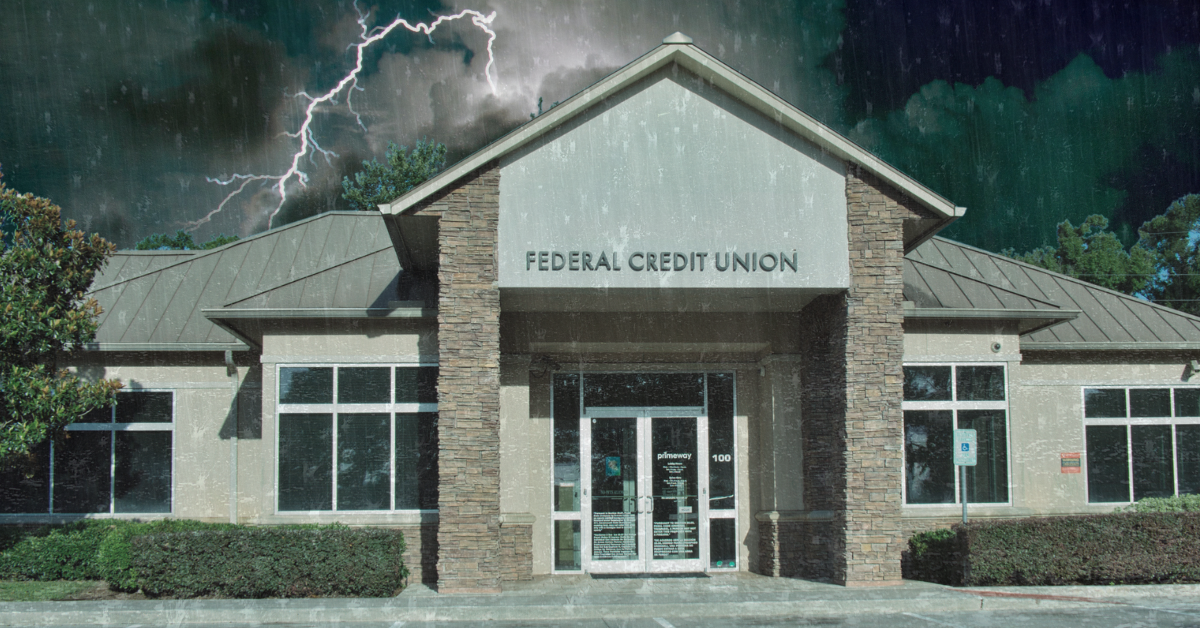
Top 10 Business Continuity Issues Credit Unions Can’t Afford to Overlook
For credit unions, continuity is about more than compliance, it’s about protecting member trust, safeguarding assets, and ensuring uninterrupted access to essential financial services.
Yet, as the threat landscape continues to evolve – from natural disasters to cyberattacks—many institutions are realizing that yesterday’s continuity plans aren’t enough for today’s risks.
Here are the Top 10 Business Continuity Issues every credit union should address to strengthen resilience and recovery readiness. (Note: These aren’t ranked by importance; each presents significant risks that deserve proactive planning.)
1. Vendor and Third-Party Dependencies
Most credit unions rely on third-party service providers for everything from core processing to payment networks. If one of those vendors experiences downtime, your member services may grind to a halt.
How to prepare:
- Require updated vendor business continuity documentation and testing results annually
- Build redundant vendor relationships for mission-critical systems
- Maintain manual fallback procedures for essential functions such as member access and transactions
2. Power and Fuel Resilience
A prolonged power outage can instantly shut down branches, call centers, and online services. Without a reliable backup strategy, credit unions risk major operational and financial losses.
How to prepare:
- Secure assured backup power solutions that include pre-staged generators and guaranteed fuel supply
- Test your power recovery procedures regularly
- Prioritize critical sites such as data centers, contact centers, and high-traffic branches
3. Regulatory Compliance and Examination Readiness
The NCUA and FFIEC both require documented, board-approved, and tested business continuity plans. Falling short can lead to findings, penalties, or worse, member service disruptions during a real event.
How to prepare:
- Conduct annual reviews and board-level approval of your business continuity plan (BCP)
- Align your program with FFIEC and Appendix J guidance
- Keep documentation, testing evidence, and vendor SLAs audit-ready year-round
4. Branch and Remote Workforce Continuity
Branch closures or access restrictions shouldn’t mean service stops. As hybrid work and digital operations expand, continuity plans must account for both physical and remote teams.
How to prepare:
- Secure mobile recovery units or alternate workspaces to support critical staff
- Verify that remote employees can securely access systems during an outage
- Include remote connectivity and endpoint security testing in your annual BCP exercises
5. Communication and Notification Gaps
When disruption strikes, confusion can spread faster than solutions. Communication breakdowns slow recovery, impact decision-making, and erode member trust.
How to prepare:
- Implement an emergency notification system that reaches employees through multiple channels (text, email, phone)
- Maintain accurate contact lists and escalation protocols
- Conduct semiannual notification drills to ensure message delivery and readiness
6. Cybersecurity and Ransomware Threats
While cybersecurity often takes center stage, it’s one piece of a much larger resilience picture. A ransomware attack can lock your data, disable systems, and halt member access in minutes.
How to prepare:
- Conduct regular penetration tests to identify vulnerabilities
- Maintain isolated, tested backups to enable fast recovery
- Run cyber tabletop exercises to validate incident response and communication plans
7. Data Backup and Recovery
Without reliable data recovery, even a minor system failure can cause major disruption. Backup systems that aren’t regularly tested are among the most common BCP failures.
How to prepare:
- Use geo-redundant storage and encrypted offsite backups
- Test restoration processes quarterly
- Incorporate ransomware-resistant backup solutions that protect against data corruption
8. Physical and Environmental Risk
Severe weather, floods, wildfires, and regional power failures can directly impact facilities and staff. Credit unions with geographically dispersed branches face diverse environmental threats year-round.
How to prepare:
- Maintain site-specific continuity plans for each branch and data center
- Partner with recovery providers that can mobilize equipment, workspace, and power quickly
- Monitor weather alerts and trigger early activation when conditions worsen
9. Outdated or Un-Tested Continuity Plans
A continuity plan that hasn’t been updated or tested recently is a liability. Staff changes, technology upgrades, and new vendors can make a once-solid plan obsolete.
How to prepare:
- Conduct annual tabletop and functional testing across departments
- Update plans after each test, incident, or major operational change
- Track corrective actions and lessons learned in a centralized log
10. Member Experience and Reputational Risk
At the heart of every continuity plan is the member. If members can’t access their money – or lose confidence that their institution can protect their data – the damage extends beyond downtime.
How to prepare:
- Create member communication templates for service interruptions
- Train staff to deliver consistent, empathetic updates during disruptions
- Incorporate reputation management into your recovery plan to protect long-term trust
The Bottom Line
Business continuity isn’t just a regulatory checkbox – it’s a promise to your members that their credit union will be there when it matters most. By addressing these ten critical issues, credit unions can strengthen resilience, reduce risk, and ensure that “people helping people” remains possible under any circumstance.
Connect with Agility Recovery to learn how we help credit unions prepare for and recover from every major threat to your branch operations.